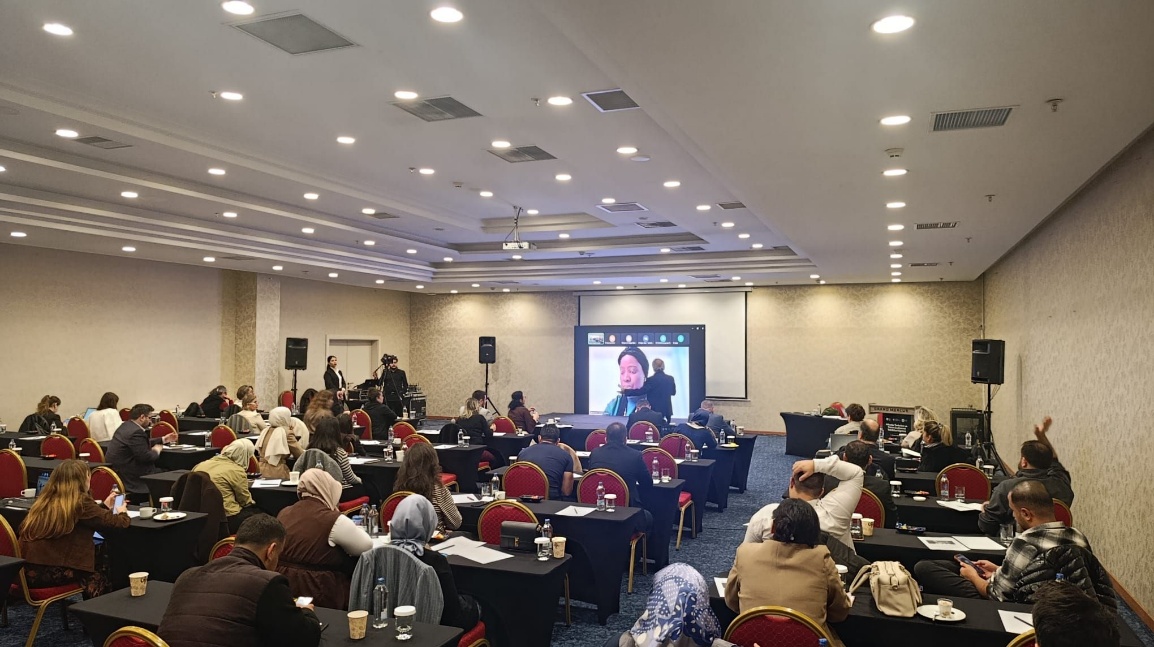
The “Training on Nicotine Pouches and Tobacco Industry Tactics”, organised on behalf of the Association for Health Promotion and Combating Smoking (SGSM) and the Initiative for Protecting Children from the Tobacco Epidemic and Its Harms (ÇTSKİ), was held in a hybrid format at the Grand Mercure Hotel Ankara on 16 November 2026. It was supported by Vital Strategies and by STOP (Stopping Tobacco Organizations and Products), a global tobacco industry watchdog. Force & Brothers managed the whole process, from planning and invitations to the programme and coordination on the day.
The training aimed to strengthen knowledge and capacity to counter the tobacco industry’s strategies for spreading new products. The programme covered what nicotine pouches contain, their effects on health, the industry’s marketing tactics and approaches to regulation. Dr Çağrı Kalaça opened the training and chaired the sessions.
One of the highlights was the speeches by Tuba Durgut, Member of Parliament for İstanbul, and Professor Yasemin Açık. Both stressed the importance of protecting children and young people from new tobacco and nicotine products, nicotine pouches in particular.
The sessions featured the following speakers:
- Dr Sophie Braznell (Tobacco Control Research Group, University of Bath): the product characteristics and patterns of use of nicotine pouches, and the key findings of STOP’s research.
- Dr Ranti Fayokun (No Tobacco Unit, World Health Organization): how the industry positions and markets these products.
- Deniece Carrington (Campaign for Tobacco-Free Kids): international examples of regulating nicotine pouches.
- Yayne Hailu (Vital Strategies – STOP) and Tracey Johnston (Vital Strategies): communicating effectively on the issue with policymakers, the media and the public.
The final session focused on the situation in Türkiye and the next steps. Participants discussed the key issues, priorities and opportunities for coordination among stakeholders.
Around 50 people attended in person and 20 online. The training brought together representatives of public institutions, academia, civil society and the public health field.